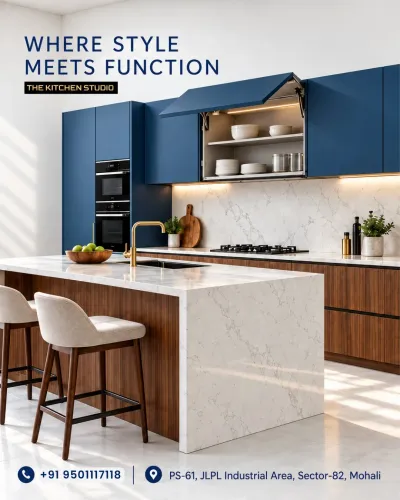


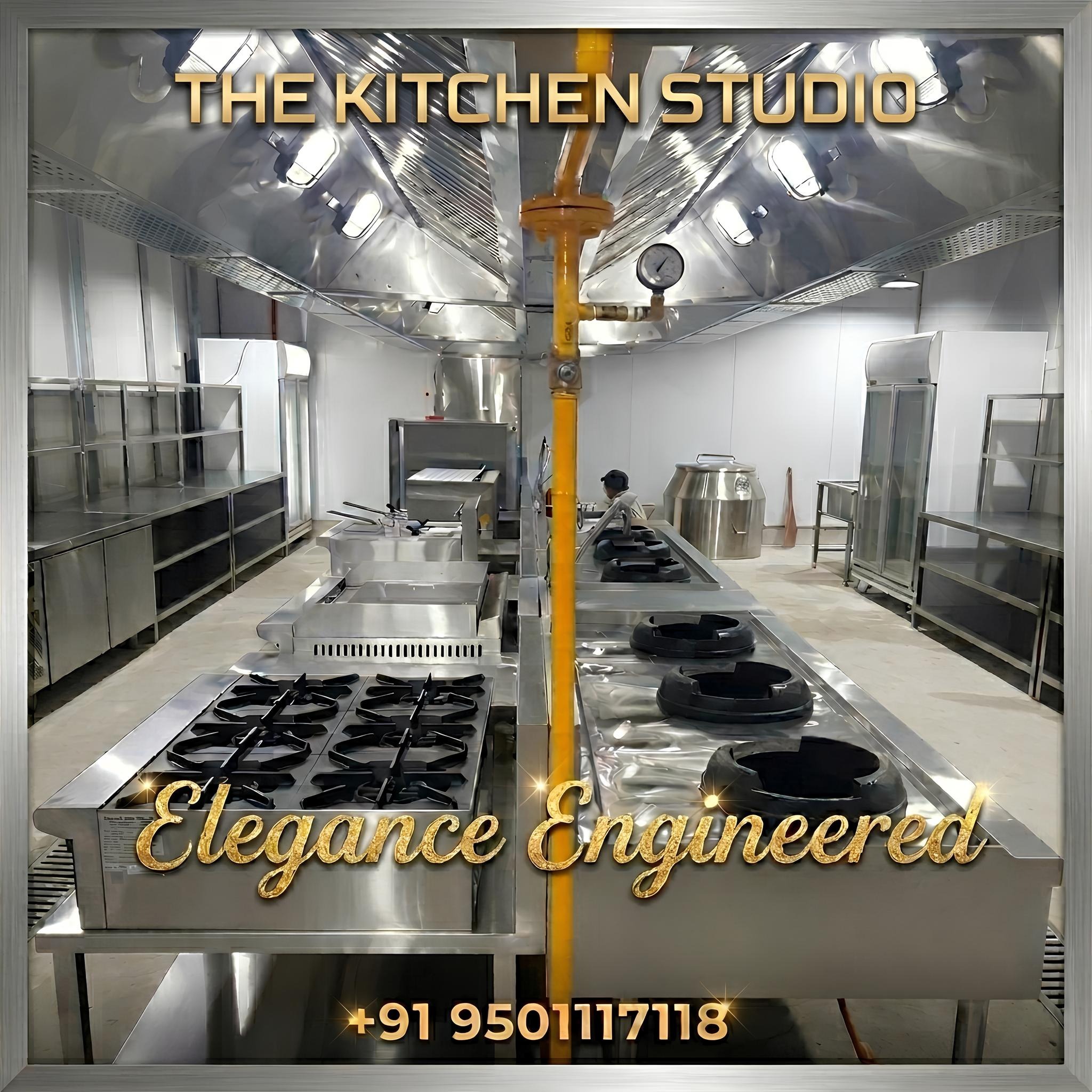
Live kitchens can add energy and transparency to restaurants, hotels, food courts, cafés, and event venues by allowing customers to see food being prepared. However, bringing cooking into public view introduces additional requirements for appearance, hygiene, ventilation, safety, and workflow. This makes the choice of a capable Live Kitchen Equipment Manufacturer an important part of project planning.
Businesses in Chandigarh considering an open cooking concept should determine whether their menu and site are genuinely suited to live preparation before selecting equipment.
Your Menu Should Determine the Setup
A live kitchen works best when equipment is selected around specific dishes and cooking techniques.
Depending on the concept, a station might be designed for:
- Grilling
- Pasta preparation
- Asian wok cooking
- Indian breads
- Dosa or griddle preparation
- Desserts
- Breakfast items
- Made-to-order snacks
Trying to create a single station for too many unrelated cooking methods can complicate operations and increase space requirements.
Appearance Matters More in an Open Kitchen
In a conventional back-of-house kitchen, equipment primarily needs to perform efficiently. In a live kitchen, customers can also see the work surfaces, equipment, storage, and staff activity.
Finishing therefore deserves additional attention.
Exposed fabrication should look clean and professional. Utility connections should be integrated carefully, and unnecessary visual clutter should be minimized.
The equipment must remain practical for staff while supporting the visual standards of the dining area.
Hygiene Must Be Easy to Maintain
Customers can observe the kitchen, so cleanliness becomes part of the dining experience.
Equipment should provide accessible surfaces for regular cleaning. Storage should prevent ingredients and tools from creating disorder across the counter. Waste handling should also be planned discreetly.
Appropriate stainless steel surfaces can be useful in professional food environments because they are durable and comparatively straightforward to maintain when properly fabricated.
Ventilation Needs Early Planning
Heat, smoke, grease, and odours can quickly affect customer comfort when cooking takes place near dining areas.
The ventilation requirement depends on the cooking method and equipment. High-heat or smoke-producing processes may need more substantial extraction than light finishing or assembly stations.
A Live Kitchen Equipment Manufacturer should therefore understand how the equipment interacts with exhaust, fresh air, and surrounding interiors.
Safety Cannot Be Compromised for Visibility
Because customers may be relatively close to cooking activities, the live station must maintain appropriate separation between hot surfaces and public areas.
Electrical connections, gas lines, hot equipment, sharp tools, and storage positions need careful planning. Counter dimensions and protective elements should support both employee movement and customer safety.
Signs Your Project Is Ready for Manufacturer Consultation
Before approaching a provider, businesses should ideally have:
- A defined menu or live-cooking concept.
- Approximate expected production volume.
- Basic site dimensions.
- Information about available utilities.
- An understanding of customer circulation.
- A realistic project budget.
- A preferred operational workflow.
These details allow the manufacturer to recommend equipment more accurately.
The Kitchen Studio works with commercial kitchen requirements in Chandigarh and can consider live equipment alongside layout, fabrication, and functional planning.
Selecting a provider should not be based only on whether they can manufacture a visually attractive counter. The stronger indicator is whether they understand food production, hygiene, ventilation, utilities, safety, and customer-facing presentation together.
A successful live kitchen creates theatre without making the chef's work unnecessarily difficult. When equipment is designed around both operations and visibility, the open cooking concept can become a genuine part of the dining experience rather than merely a decorative feature.