Utensils tend to pile up faster than expected, especially when there’s no proper place to store them after cleaning. Over time, this creates clutter, makes drying difficult, and slowly affects overall hygiene in the kitchen.
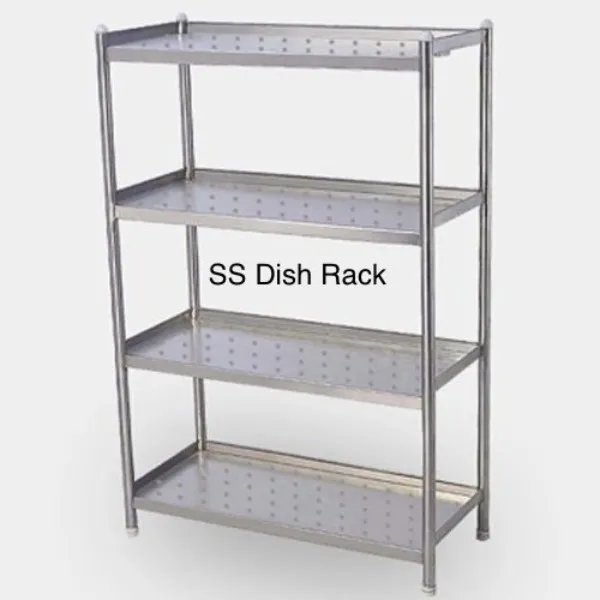
In setups where utensils are used and washed repeatedly throughout the day, random stacking doesn’t work for long. An SS dish rack helps bring structure to this stage by allowing proper arrangement and airflow. When dishes are stored in an organised way, drying becomes quicker and handling becomes easier during the next cycle of use.
Stainless steel racks are widely preferred because they are built for continuous exposure to water. They don’t rust easily, are simple to maintain, and remain stable even with repeated loading and unloading. This makes them suitable for kitchens where usage is not occasional but consistent.
At The Kitchen Studio in Punjab, SS dish racks are designed keeping daily workflow in mind. The idea is to support kitchens where utensils move in cycles, from use to wash to storage, without creating bottlenecks. The structure allows better spacing, helping reduce clutter while maintaining hygiene standards over time.
When utensils are easy to place, dry, and access again, the entire kitchen flow becomes smoother. It may seem like a basic setup, but it plays an important role in maintaining consistency in high-usage environments.
If dish storage feels unorganised after cleaning, introducing a proper SS dish rack can help create a more structured and manageable system.
Keywords