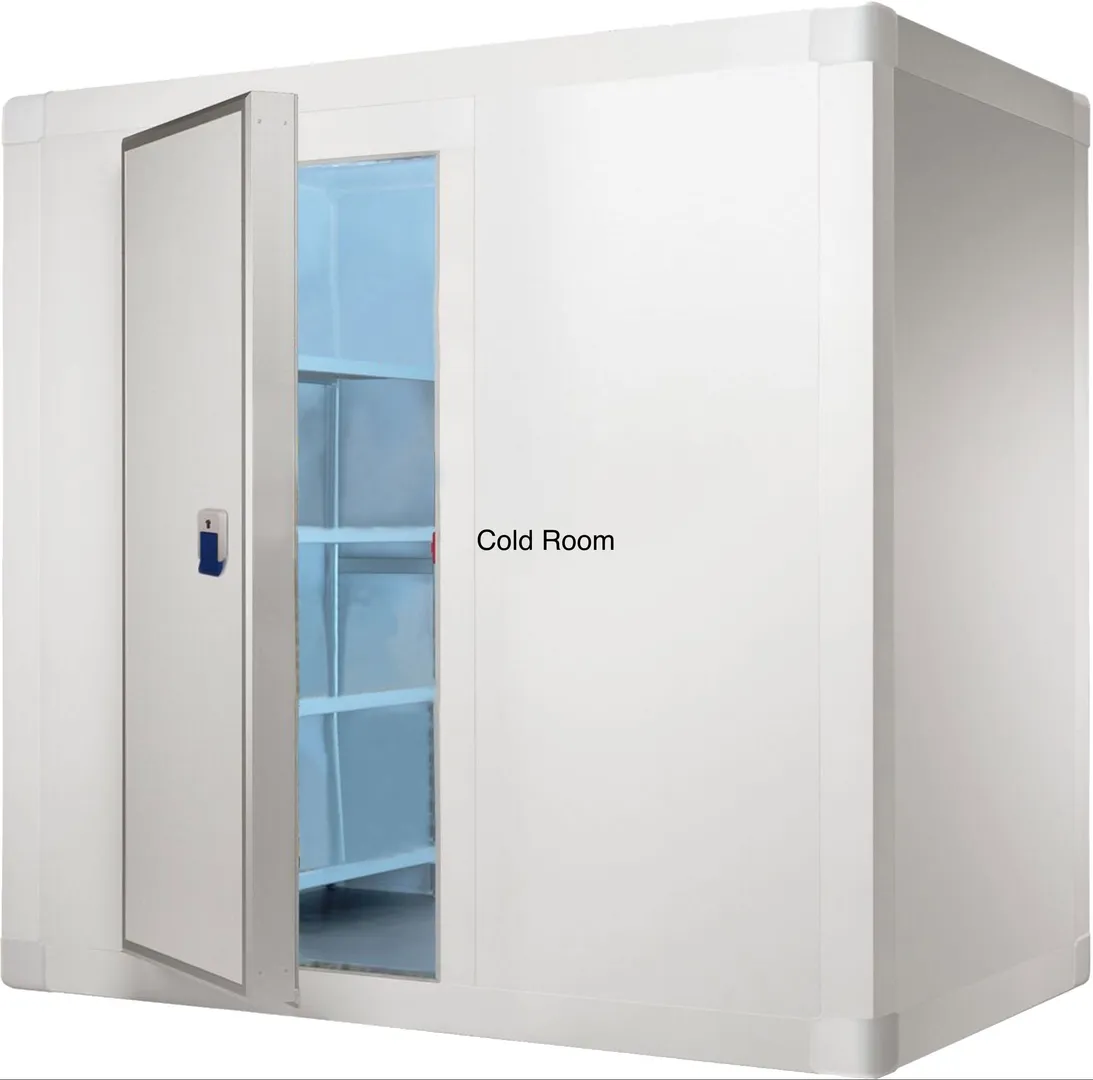
Food storage becomes a real challenge when volume increases. Ingredients that need controlled temperatures can’t simply be stored in regular refrigeration without affecting quality or shelf life.
In kitchens that operate continuously or handle bulk ingredients, temperature control is not optional, it becomes part of the workflow. A cold room provides a dedicated environment where items can be stored under stable conditions, helping maintain freshness over longer periods.
Unlike standard cooling units, cold rooms are designed for capacity and consistency. They allow better organisation of stored items, reduce overcrowding, and ensure that airflow remains uniform. This becomes especially important in setups where ingredients are stocked in larger quantities and need to be accessed frequently.
The structure and insulation used in cold rooms also play a critical role. Proper sealing, temperature control systems, and durable materials ensure that performance remains stable even during continuous usage. Over time, this consistency helps reduce spoilage and supports better inventory management.
At The Kitchen Studio in Punjab, cold room solutions are developed keeping operational requirements in mind. The goal is not just storage, but maintaining a controlled environment that supports kitchens working at scale.
When storage conditions are stable, the pressure on daily operations reduces. Ingredients stay usable for longer, and planning becomes easier without frequent concerns about spoilage.
If your kitchen handles bulk storage or requires reliable temperature control, exploring a cold room setup could be a practical step towards maintaining consistency and efficiency.
Keywords